

RemoteRF natively supports a wide range of software-defined radios (SDRs) and peripherals, from low-cost educational receivers and sensors to multi-channel research transceivers and millimeter-wave radar modules. Users control reserved devices from Python using familiar, drop-in driver APIs without installing low-level hardware drivers on their local computers, while server administrators attach and manage hardware through RemoteRF’s schema-driven driver pipeline.
Natively Supported Devices
Each supported hardware platform includes dedicated documentation for end users (client-side Python scripting, API reference, and examples) and server administrators (hardware bring-up and configuration).
Software-Defined Radios (SDRs)
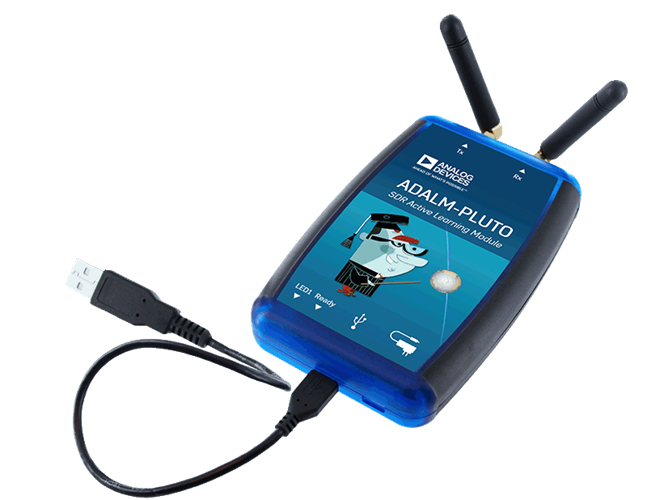
Portable USB full-duplex transceiver supporting standard ADALM-PLUTO, 2 × 2 unlocked ADALM-PLUTO, and Pluto+ units.
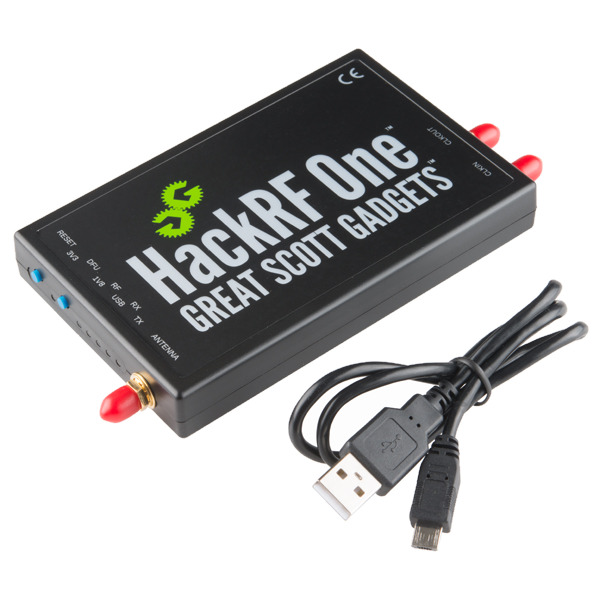
Open-source wideband half-duplex USB transceiver for sub-6 GHz transmission and reception.
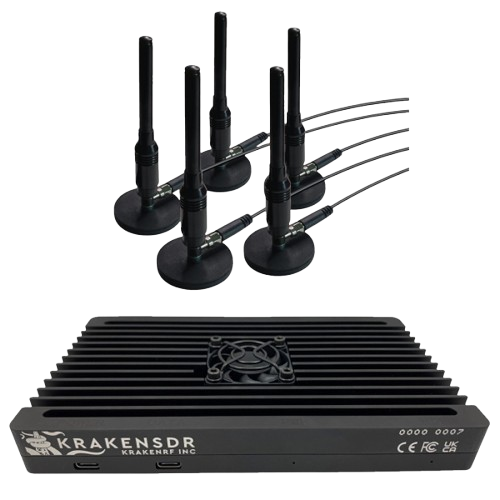
5-channel phase-coherent USB receiver array for direction of arrival (DoA) and beamforming.
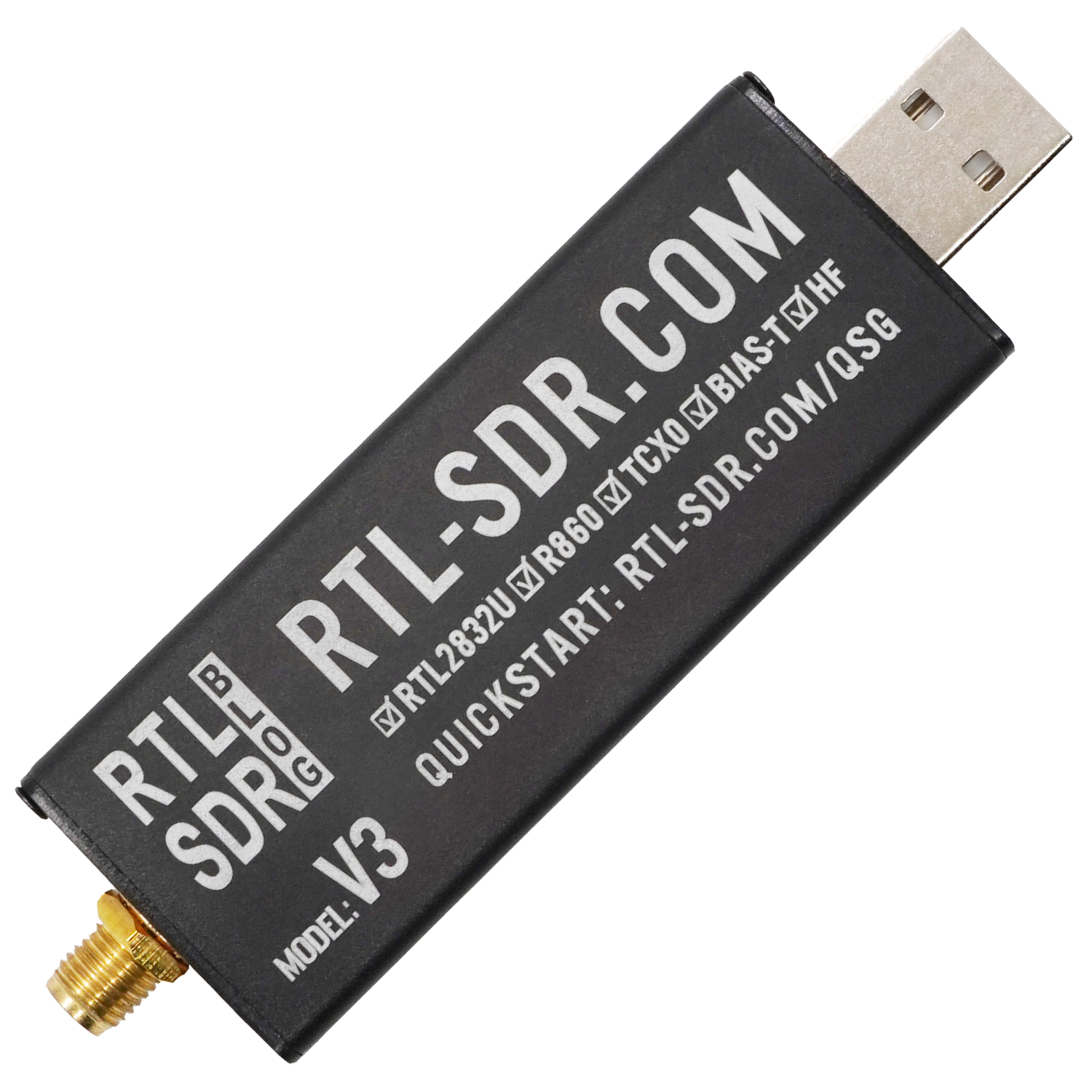
Low-cost USB receive-only SDR dongle (RTL-SDR Blog V3, V4, and Nooelec NESDR SMArt v5) for wideband spectrum monitoring and signal capture.
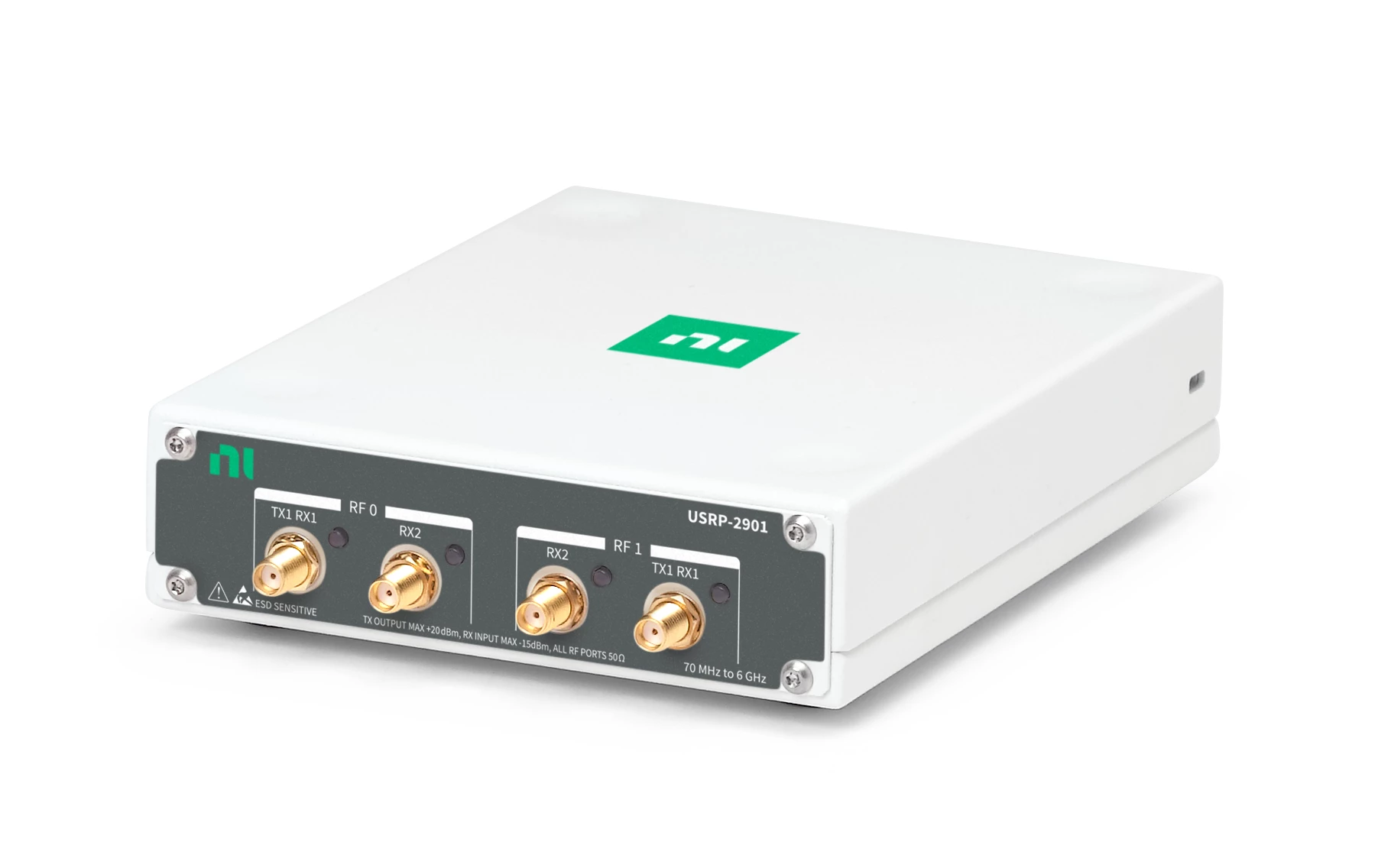
USRP UHD radio transceivers, including the USRP 2901, USRP B205-mini, and USRP N210.
Other Peripherals
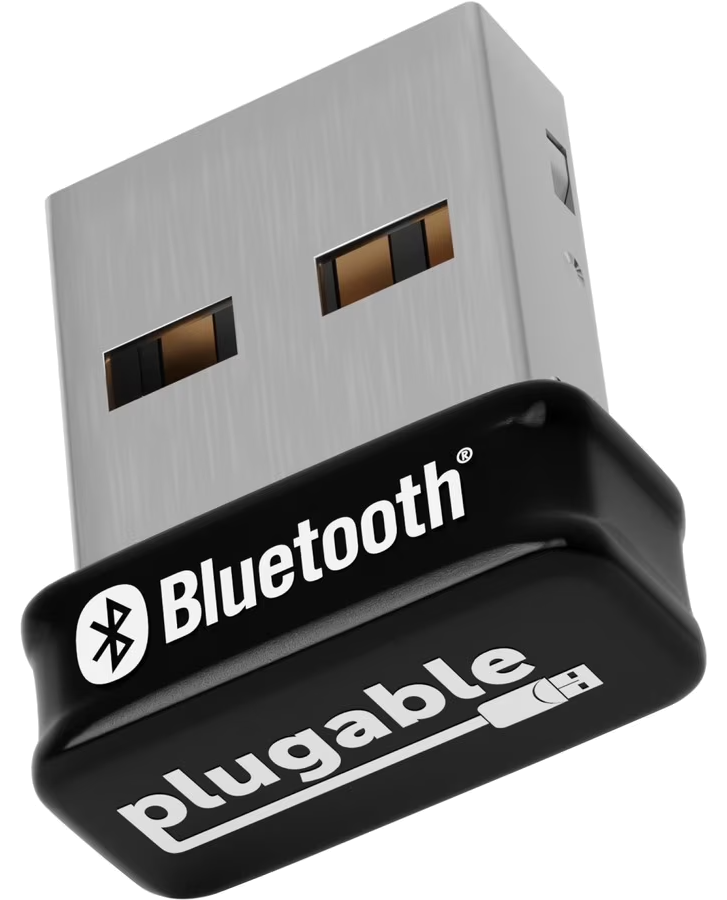
USB Bluetooth Classic and BLE adapter for device discovery, RSSI measurement, and ranging.
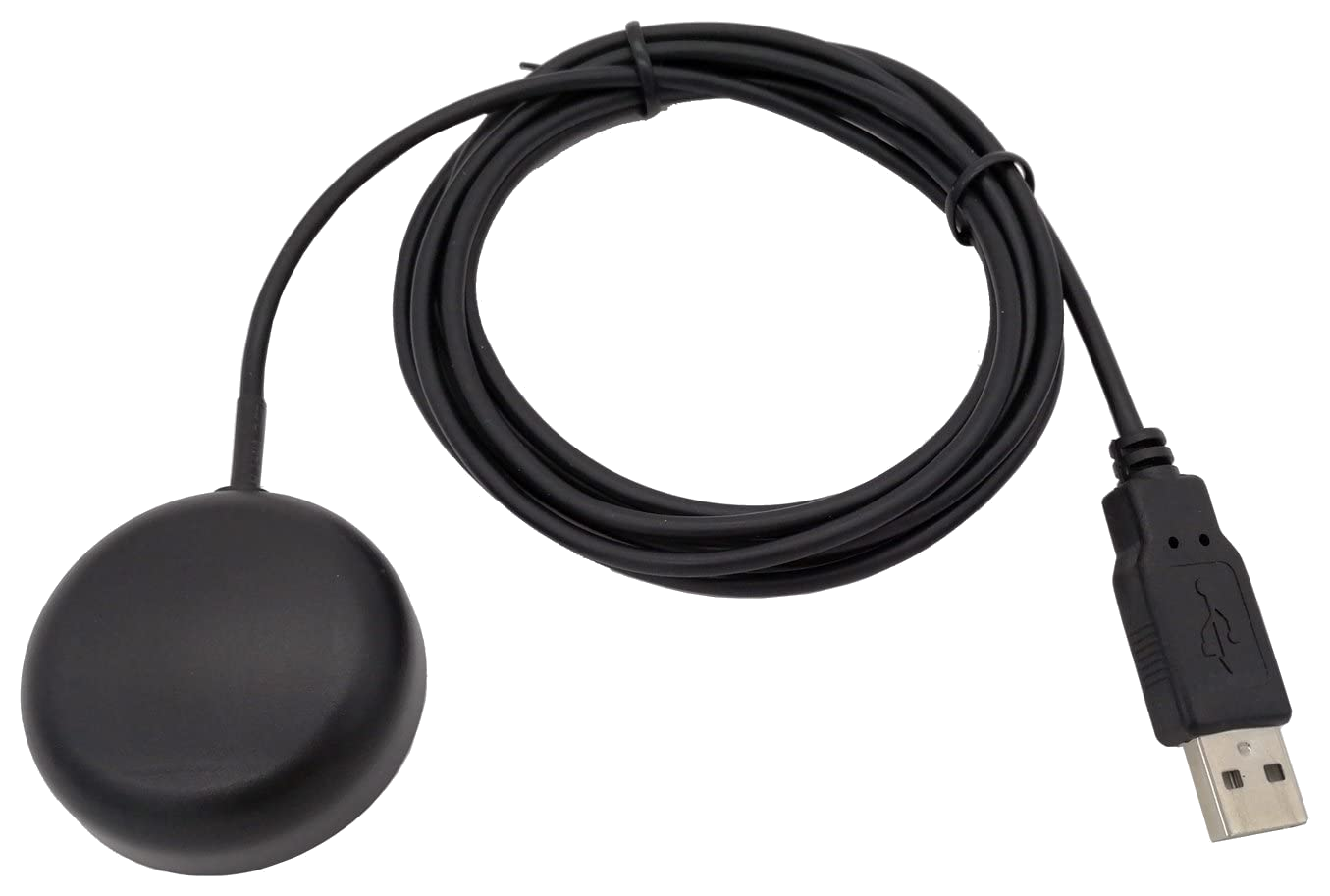
USB GPS/GNSS receiver providing live UTC timestamps, position fixes, and NMEA sentences.
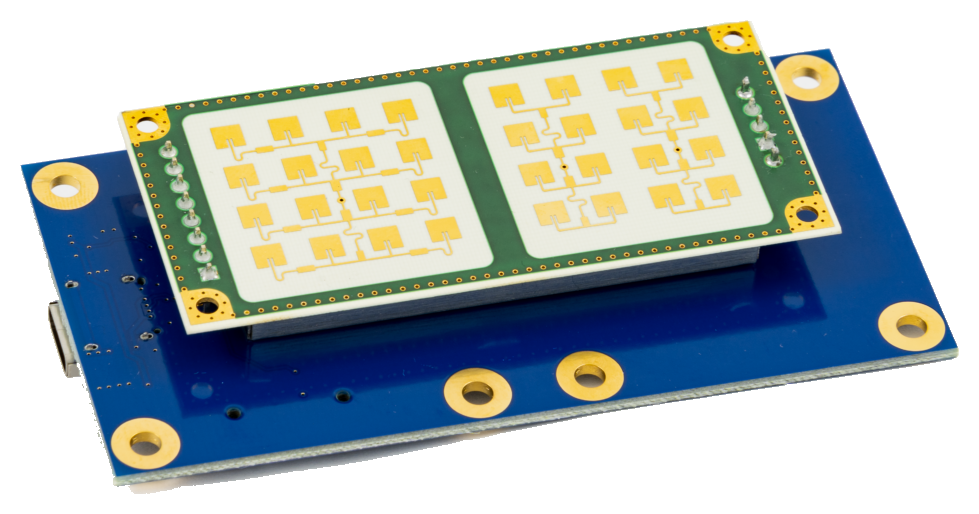
24 GHz radar sensor providing real-time target range, radial speed, angle, and tracking.
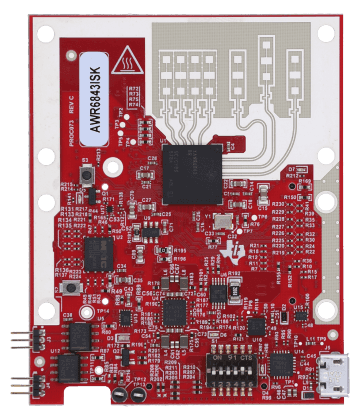
60 GHz millimeter-wave radar streaming real-time 3D point clouds and range-azimuth heatmaps.
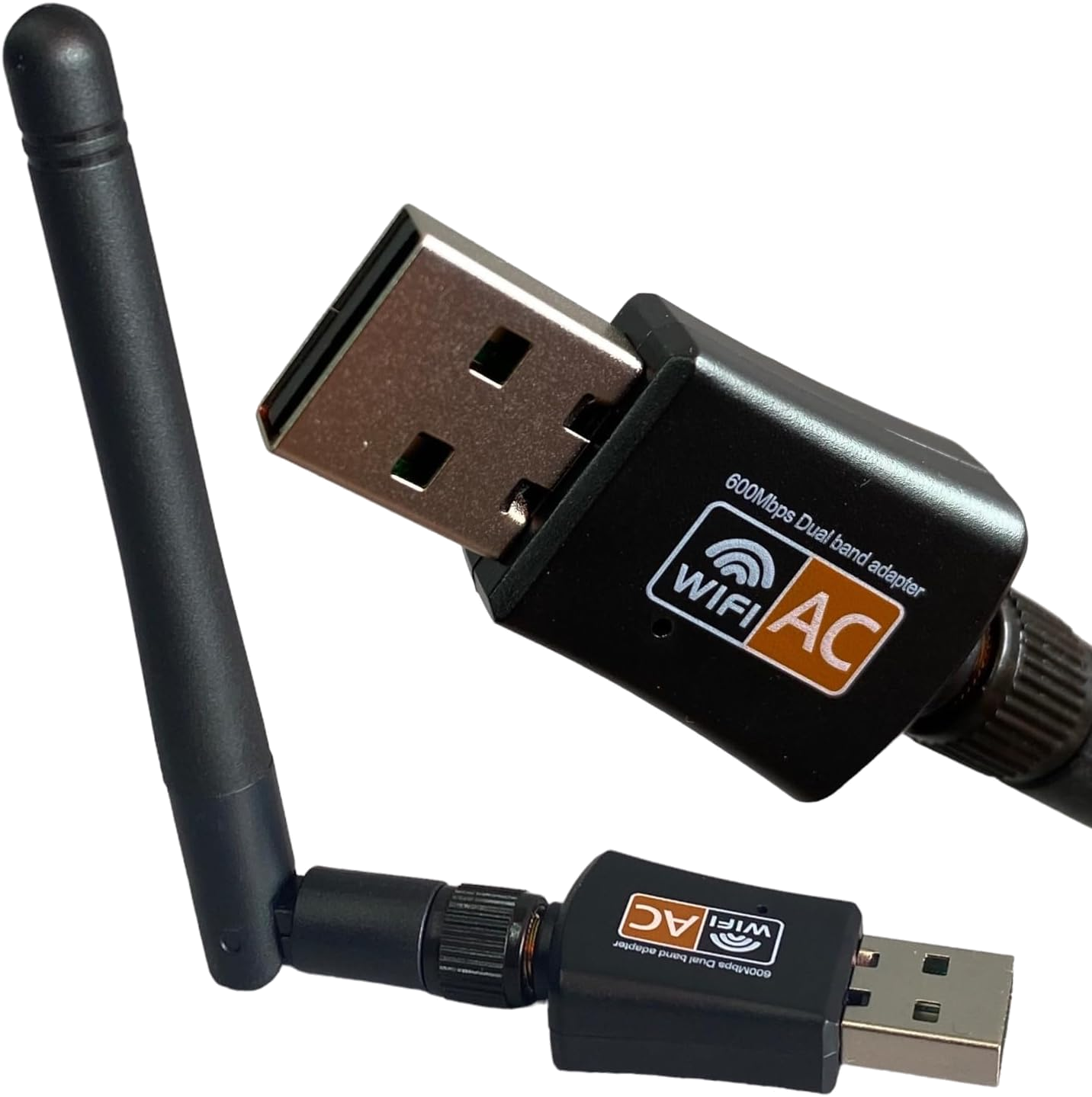
Dual-band USB Wi-Fi adapter for over-the-air access point scanning and RSSI measurement.

Connect any Python-controllable radio, sensor, or lab instrument with a custom driver schema.
Hardware Comparison
The tables below compare the RF specifications, channel capabilities, data streams, and Python driver support across RemoteRF’s natively supported platforms.
Software-Defined Radios (SDRs)
The table below summarizes RF architecture, frequency coverage, maximum sampling rate, and ADC/DAC resolution for natively supported software-defined radios.
| Device Model | RF Architecture | Frequency Range | Max Sample Rate | ADC / DAC | Python Driver | Guides |
|---|---|---|---|---|---|---|
| ADALM-PLUTO | 1 TX/RX full-duplex | 325 MHz – 3.8 GHz | 61.44 MSPS | 12-bit / 12-bit | remoterf.drivers.adalm_pluto |
User · Setup |
| ADALM-PLUTO MIMO / Pluto+ | 2 TX/RX MIMO full-duplex | 70 MHz – 6.0 GHz | 61.44 MSPS | 12-bit / 12-bit | remoterf.drivers.adalm_pluto_mimo |
User · Setup |
| HackRF One | 1 TX/RX half-duplex | 1 MHz – 6.0 GHz | 20 MSPS | 8-bit / 8-bit | remoterf.drivers.hackrf |
User · Setup |
| KrakenSDR | 5 RX phase-coherent + cal noise source | ~24 MHz – 1.766 GHz | 2.4 MSPS per channel | 8-bit ADC (×5) | remoterf.drivers.krakensdr |
User · Setup |
| RTL-SDR | 1 RX receive-only | ~24 MHz – 1.766 GHz | 3.2 MSPS (2.4 MSPS stable) | 8-bit ADC | remoterf.drivers.rtlsdr |
User · Setup |
| USRP 2901 | 2 TX/RX MIMO full-duplex | 70 MHz – 6.0 GHz | 56 MSPS | 12-bit / 12-bit | remoterf.drivers.usrp |
User · Setup |
| USRP B205-mini | 1 TX/RX full-duplex | 70 MHz – 6.0 GHz | 56 MSPS | 12-bit / 12-bit | remoterf.drivers.usrp |
User · Setup |
| USRP N210 | Modular full-duplex (SBX, UBX, WBX) | DC – 6.0 GHz (daughterboard) | 25 MSPS (16-bit) | 14-bit / 16-bit | remoterf.drivers.usrp |
User · Setup |
Because the USRP driver (remoterf.drivers.usrp) is built around standard uhd.usrp.MultiUSRP APIs from the Ettus Research UHD Python API (and the ADALM-PLUTO driver mirrors Analog Devices’ pyadi-iio), other UHD-compatible USRP models (such as the B200, B210, N200, and X310) are also expected to work, though they have not yet been fully tested.
Other Peripherals
In addition to software-defined radios, RemoteRF natively supports specialized peripherals, sensors, and radar modules.
| Device Model | Hardware Type | Frequency Band | Data Output & Capabilities | Python Driver | Guides |
|---|---|---|---|---|---|
| Bluetooth Dongle | Bluetooth Classic & BLE scanner | 2.402 – 2.480 GHz | BLE advertisements, MAC addresses, RSSI (dBm), inquiry scan | remoterf.drivers.bluetooth |
User · Setup |
| GPS Receiver | GNSS / GPS satellite receiver | 1575.42 MHz (L1 C/A) | Satellite UTC timing, 3D geodetic fix, raw NMEA 0183 ($GPGGA, $GPRMC) | remoterf.drivers.gps |
User · Setup |
| RFbeam K-MD7 Radar | 1 TX / 2 RX FMCW + FSK radar | 24.075 – 24.175 GHz | Target range, speed, azimuth angle, PDAT & TDAT tracks | remoterf.drivers.rfbeam_kmd7 |
User · Setup |
| TI AWR6843 Radar | 3 TX / 4 RX FMCW mmWave radar | 60 – 64 GHz (up to 4 GHz sweep BW) | 3D point clouds (x, y, z), Doppler velocity, SNR, heatmaps | remoterf.drivers.ti_awr6843 |
User · Setup |
| Wi-Fi Dongle | Dual-band 802.11ac RF monitor | 2.4 GHz & 5 GHz | Access point discovery, SSID/BSSID, burst RSSI averaging, channel survey | remoterf.drivers.wifi |
User · Setup |
Adding Custom Hardware
RemoteRF is hardware-agnostic by design. Adding support for a new or custom device does not require modifying RemoteRF core code or manually updating client installations:
- Write a Python class on the server or host that inherits from
DeviceSchema. - Decorate the properties and methods you want to expose remotely with
@idl_expose(kind="get"),@idl_expose(kind="set"), or@idl_expose(kind="call"). - Attach the physical device with
serverrf devices add.
When a user reserves the device, the RemoteRF client automatically queries the server’s schema description and generates a matching local Python wrapper on the fly. See the Custom Device Schema Guide for a complete walkthrough and template.